

FDA APPROVES FIRST ORAL PCSK9 INHIBITOR
August 2026

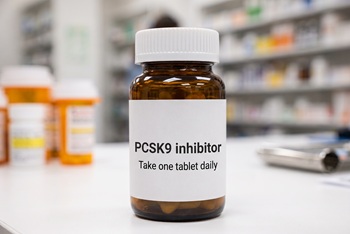
PCSK9 inhibitors block proprotein convertase subtilisin kexin type 9, preventing PCSK9 from binding LDL receptors and promoting their degradation. By preserving LDL receptors on hepatocytes, these drugs increase LDL clearance from plasma. Three injectable PCSK9 inhibitors are currently available in the U.S.: alirocumab (Praluent®), evolocumab (Repatha®), and lerodalcibep (Lerochol®). All are administered by subcutaneous injection every two to four weeks. The FDA recently approved enlicitide (Lipfendra®), an oral macrocyclic peptide that binds PCSK9 and blocks its interaction with LDL receptors. Lipfendra is the first oral drug in this class.
Lipfendra is approved as an adjunct to diet and exercise to reduce LDL cholesterol in adults with hypercholesterolemia, including heterozygous familial hypercholesterolemia (HeFH). In trials (N=2904), enlicitide 20 mg once daily, added to statin therapy, reduced LDL cholesterol by 56% over 24 weeks, showing effects similar to those of injectable PCSK9 inhibitors. Non-HDL cholesterol declined by 53% and apoB by 50%. Side effects were similar to placebo. The recommended dose is 20 mg orally once daily in the morning on an empty stomach, with water, black coffee, or plain tea; patients should wait at least 30 minutes before eating or drinking other beverages.
Lipfendra offers a needle-free alternative for patients who need additional LDL lowering beyond statins and ezetimibe. It may be particularly useful for injection-averse patients with hypercholesterolemia and those who do not tolerate statins. Competition from an oral agent in this class may also pressure manufacturers to lower prices on injectable PCSK9 inhibitors, which have no generics and have remained expensive despite being on the market for years.
