

INCIDENTAL ASYMPTOMATIC ROTATOR CUFF ABNORMALITIES ARE COMMON ON SHOULDER MRIs
March 2026

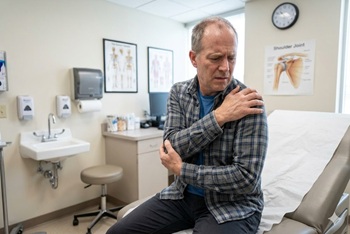
Shoulder pain is a frequent complaint in primary care, and rotator cuff (RC) pathology is cited as a cause in 85% of cases. Even though evidence supporting its benefits is lacking, shoulder imaging is frequently ordered. Roughly half of initial evaluations by general practitioners include imaging, and large proportions of internists (82%) and specialists (56%) view it as essential. When an MRI is obtained, it commonly shows tendinopathy, partial-thickness tears (PTTs), or full-thickness tears (FTTs). Treatment aimed at these findings has grown sharply: shoulder injections have risen by as much as 46-fold since 2000 in Australia, and surgical rotator cuff repairs have increased an estimated 2-fold to 7-fold in other developed countries.
To determine the prevalence of RC abnormalities in the general population, researchers conducted a population-based cross-sectional study in Finland examining the prevalence of RC tendinopathy and tears on MRI in asymptomatic and symptomatic adults. Participants (N=602) were randomly selected from a nationally representative sample of the population aged 41 to 76 years. Subjects underwent standardized clinical assessment and bilateral 3-Tesla magnetic resonance imaging (MRI) of the shoulders. Participants were classified as asymptomatic or symptomatic based on whether they reported shoulder pain or dysfunction lasting more than 24 hours during the past week. RC tendon status on MRI was classified as normal, tendinopathic, partial-thickness tear, or full-thickness tear according to the most severe abnormality in any of the four rotator cuff tendons. The table below shows results based on the presence or absence of symptoms.
| Incidental Findings on Shoulder MRI in a Randomly Selected Population | ||
|---|---|---|
| Rotator cuff finding on MRI | Asymptomatic (n=1076) | Symptomatic (n=128) |
| Normal | 3.9% (2.4 to 5.7) | 2.1% (0.0 to 6.2) |
| Tendinopathy | 38.9% (35.2 to 42.2) | 30.4% (22.7 to 39.4) |
| Partial-thickness tear | 50.6% (46.9 to 54.3) | 52.8% (42.2 to 61.8) |
| Full-thickness tear | 6.5% (4.9 to 8.3) | 14.6% (8.8 to 20.4) |
This study illustrates the central hazard of over-imaging: structural abnormalities are common in people without shoulder symptoms and may not be related to acute symptoms. Ninety-six percent of asymptomatic shoulders had at least one RC abnormality; tendinopathy and PTTs were similarly prevalent in symptomatic and asymptomatic shoulders, and even the higher prevalence of FTTs in symptomatic shoulders (14.6% vs. 6.5%) was no longer significant after adjustment for clinical examination and other imaging findings. Many of these changes likely represent longstanding, age-related morphology rather than acute injury. Incidental findings that may have been present for years can be misinterpreted as the cause of pain and may lead to unnecessary treatments, including injections and surgery. For atraumatic shoulder pain, this study supports interpreting MRI in light of the high baseline prevalence of "abnormal" findings and avoiding routine imaging.
