

STUDY EVALUATES LEVOTHYROXINE DISCONTINUATION IN OLDER ADULTS
April 2026

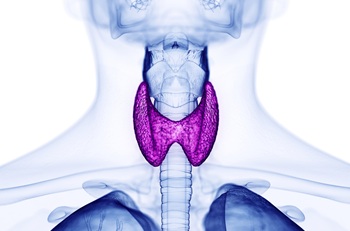
Levothyroxine is among the most frequently prescribed medications globally. Traditionally, thyroid hormone replacement is considered lifelong therapy, and clinical guidelines rarely offer recommendations for reevaluating the necessity of ongoing treatment once initiated. However, prescribing rates have increased significantly over the last two decades, particularly among the elderly population. This trend has led to growing concerns regarding overdiagnosis and the potential for overtreatment in patients who may not have a permanent requirement for supplementation.
To evaluate the feasibility of stopping therapy, researchers conducted an open-label, single-group, prospective cohort study of 370 community-dwelling adults aged 60 years or older (median age 73). Participants were required to be on a stable dose of levothyroxine monotherapy (<= 150 µg/d) for at least 1 year, with the most recent TSH < 10 mIU/L. The study utilized a protocol-driven, stepwise dose reduction at intervals of at least six weeks. Doses were reduced by 12.5-50 mcg/d at baseline, 25-38 mcg/d after 6 and 12 weeks, and 25 mcg/d thereafter. Reductions proceeded only if TSH remained < 10 mIU/L and free thyroxine (FT4) remained within the reference range. Success was defined as successful discontinuation of levothyroxine with stable lab values at one year. Results and outcomes were as follows:
- Overall Success Rate at 1 Year: 25.7% (95/370; 95% CI, 21.5%–30.4%)
- Success Rate (Baseline dose ≤ 50 µg/d): 63.6% (56/88)
- Success Rate (Baseline dose ≤ 75 µg/d): 44.9% (79/176)
- Dose as a Predictor: Higher baseline doses were independently associated with lower odds of successful discontinuation (OR 0.95; 95% CI, 0.94–0.96 per 1-µg increase).
- Reasons for Stopping Reduction: Of the 271 unsuccessful participants, 163 (60%) stopped due to lab values (142 due to TSH >= 10 mIU/L; 21 due to low FT4). The remaining 108 participants (40%) stopped due to a decision by the participant or their general practitioner.
The rise in potentially unnecessary levothyroxine use is largely attributed to the increasing treatment of subclinical hypothyroidism—defined as a mildly elevated TSH with a normal free T4. Research suggests that thyroid dysfunction in older adults is frequently transient; approximately 61% of patients with subclinical hypothyroidism may revert to euthyroidism without intervention. Furthermore, multiple large-scale trials have demonstrated a lack of clinical benefit regarding quality of life or cardiovascular outcomes when treating subclinical hypothyroidism in adults over age 65. Despite these findings, the absence of standardized deprescribing guidelines contributes to "prescribing inertia," where therapy continues indefinitely. This study suggests that a significant portion of older adults, particularly those on low-dose therapy, can safely attempt a supervised dose reduction to determine if ongoing treatment is medically necessary. A significant challenge facing clinicians who attempt to deprescribe is convincing patients that they may not need their thyroid supplementation.
- Discontinuation of Levothyroxine in Adults Aged 60 Years or Older, JAMA (2026) [PubMed abstract]
- Hypothyroidism
- Thyroid replacement products
