

STUDY EVALUATES ENDOVASCULAR THERAPY FOR POST-THROMBOTIC SYNDROME
April 2026

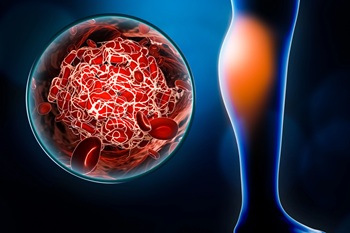
Post-thrombotic syndrome (PTS) is a common chronic complication of deep vein thrombosis (DVT), occurring in approximately 20% to 50% of patients within two years of an acute event. The syndrome results from chronic venous hypertension caused by valvular reflux and persistent venous obstruction following a clot. Patients typically present with a range of symptoms, including limb swelling, heaviness, and pain. Physical findings include varicose veins, edema, skin hyperpigmentation, and, in severe cases, venous ulceration. These sequelae significantly impair quality of life and increase healthcare utilization.
To evaluate the effects of endovascular therapy in PTS, researchers conducted the C-TRACT trial (Chronic Venous Obstruction: Treatment with Aspirin, Compression, and Thrombolysis), an open-label, randomized controlled trial that enrolled 225 participants with moderate or severe PTS and imaging-confirmed iliac vein obstruction. Patients were randomized to receive either endovascular therapy (iliac vein stent placement and enhanced antithrombotic therapy plus standard PTS care) or standard care alone (compression, anticoagulation, and lifestyle guidance). Following the procedure, the endovascular group was advised to take daily aspirin (81 mg) and therapeutic anticoagulation for at least 6 months. After a follow-up period of 6 months, the primary outcome - PTS severity measured by the Venous Clinical Severity Score (VCSS; range 0 to 30, higher scores indicate more severe post-thrombotic syndrome) - was lower in the endovascular group (8.1) compared to the standard-care group (10.0), with an adjusted mean difference of -2.0 (95% CI, -3.2 to -0.8; P=0.001). However, the treatment group experienced a higher incidence of bleeding, with all-cause bleeding occurring in 11.6% of the endovascular group versus 3.6% in the control arm (Risk Ratio [RR]: 3.22; 95% CI, 1.07 to 9.69; P=0.03).
Despite the statistically significant findings, several study weaknesses merit consideration. The trial's open-label design introduced potential bias, particularly given that the primary outcome measure, the VCSS, includes two subjective components (pain and use of compression stockings). Because the authors did not list outcomes for the individual components of the VCSS, it is not possible to determine which specific factors drove the overall improvement. In absolute terms, endovascular therapy improved PTS symptoms by an average of 2 points on a 30-point scale—a 6.67% improvement. When weighed against the 8% increase in absolute bleeding risk, the clinical significance of this trade-off is questionable. For many healthcare professionals and their patients, a modest symptomatic gain may not be perceived as meaningful enough to justify the invasive nature of stenting and the elevated risk of hemorrhagic complications. Longer and larger studies are needed to evaluate the overall effects of stenting.
- Endovascular Therapy for Post-Thrombotic Syndrome — A Randomized Trial, N Engl J Med (2026) [PubMed abstract]
- Deep vein thrombosis
