
May 2026
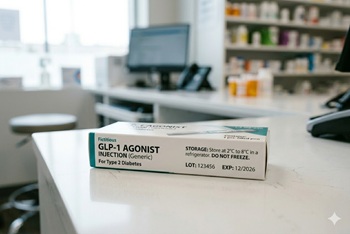
SURMOUNT-MAINTAIN evaluated continuing, reducing, or stopping Zepbound after initial weight loss
The issue: Patients who reach their weight-loss goal on Zepbound often ask what maintenance therapy should look like.
Why this study matters: SURMOUNT-MAINTAIN randomized adults after 60 weeks of tirzepatide to continue maximum dose, reduce to 5 mg, or switch to placebo for 52 weeks.
Primary care relevance: Provides data to counsel patients on the maintenance phase of weight loss with tirzepatide.
May 2026

ATTAIN-MAINTAIN trial supports switching to Foundayo after Wegovy or Zepbound
The issue: Patients who reach their weight-loss goal on injectable GLP therapies often ask what their maintenance therapy options are.
Why this study matters: It evaluated the effects of switching to Foundayo after injectable Wegovy or Zepbound.
Primary care relevance: Provides data on counseling patients who want to switch to oral GLP therapy after injections.
May 2026

A small, placebo-controlled trial showed that semaglutide reduced heavy drinking days in obese patients
The issue: Alcohol use disorder (AUD) is common but lacks a highly effective treatment.
Why this study matters: It evaluated the effects of semaglutide on drinking habits in adults with AUD and obesity.
Primary care relevance: This study suggests semaglutide may help curb drinking in obese patients with AUD.
April 2026
Foundayo is the second oral GLP-1 drug approved for weight management
The issue: GLP-1 weight-loss therapies are the most talked-about drug class ever
Why this matters: In January 2026, Wegovy tablets became the first oral GLP-1 drug approved for weight loss. Now, a second option, Foundayo, is available.
Primary care relevance: Providers should be aware of the differences in efficacy, cost, and convenience of available therapies
April 2026

Randomized trial finds holding one preprocedure dose of a GLP-1 analog reduces residual gastric volume
The issue: GLP-1 analogs are being increasingly prescribed for weight loss and type 2 diabetes, but their gastric-slowing effects have raised concerns about residual gastric volume (RGV) and potential pulmonary aspiration during procedures requiring sedation.
Why this study matters: It compared residual gastric volumes (RGV) during endoscopy in patients who held one preprocedure GLP-1 analog dose to those who did not.
Primary care relevance: Primary care providers are often asked about holding medications before procedures. This study provides some objective evidence that holding GLP-1 analogs for a single dose before procedures reduces RGV.
March 2026
The new 7.2 mg dose is triple the previous highest dose of 2.4 mg
The issue: Average weight loss with the highest dose of Wegovy is 13% to 16%, while its main competitor, Zepbound, has a mean weight loss of 20% to 22% at its highest dose
Why this matters: A study comparing Wegovy doses of 2.4 mg and 7.2 mg found that the higher dose caused more weight loss, but also more gastrointestinal side effects and dysaesthesia.
Primary care relevance: Providers will soon be able to prescribe the higher dose, but should counsel patients about the potential for more gastrointestinal side effects and dysaesthesia.
January 2026
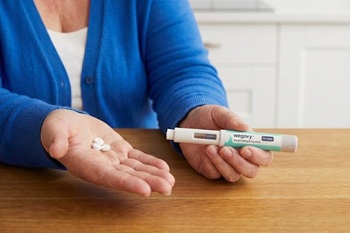
First oral GLP-1 receptor agonist approved for weight loss
The issue: Patients who dislike injecting themselves now have an FDA-approved oral GLP-1 receptor agonist option for weight loss.
Primary care relevance: Providers now have an oral option for patients who prefer not to use injectable GLP-1 therapy for weight management.
August 2025
The question now is what will insurance companies require to cover it
The issue: MASH (formerly NASH) is a leading cause of liver disease with limited approved treatments; GLP-1 agonists have shown benefit in trials.
Primary care relevance: Providers have a new pharmacologic option for MASH; access may depend on payer requirements for diagnosis and prior authorization.
May 2025
Head-to-head trial found Zepbound superior to Wegovy for weight loss, with similar side effect profiles
The issue: Individual trials show that Zepbound causes more weight loss than Wegovy. A head-to-head trial would provide conclusive evidence.
Why this study matters: Compares Zepbound and Wegovy in a head-to-head trial.
Primary care relevance: Provides evidence on the benefits of Zepbound over Wegovy for weight loss.
November 2024

Substantial weight loss with Wegovy led to reductions in pain and improved function
The issue: Obesity is a major risk factor for knee osteoarthritis; whether weight loss with GLP-1 agonists improves symptoms is unclear.
Why this study matters: Evaluates the effects of GLP-induced weight loss on knee osteoarthritis symptoms in obese patients.
Primary care relevance: Provides evidence on the benefits of GLP-1 agonist therapy for obesity in knee osteoarthritis.

