
May 2026

Studies provide insight into exercise-induced hypoglycemia
The issue: Fear of exercise-induced hypoglycemia remains a common barrier to physical activity in type 1 diabetes, and clinicians need practical data to counsel patients.
Why these studies matter: They report real-world glucose changes across hundreds of thousands of exercise sessions and introduce a three-variable heatmap (GlucoseGo) to estimate hypoglycemia risk before exercise.
Primary care relevance: Provides guidance on counseling type 1 diabetics about exercise
April 2026
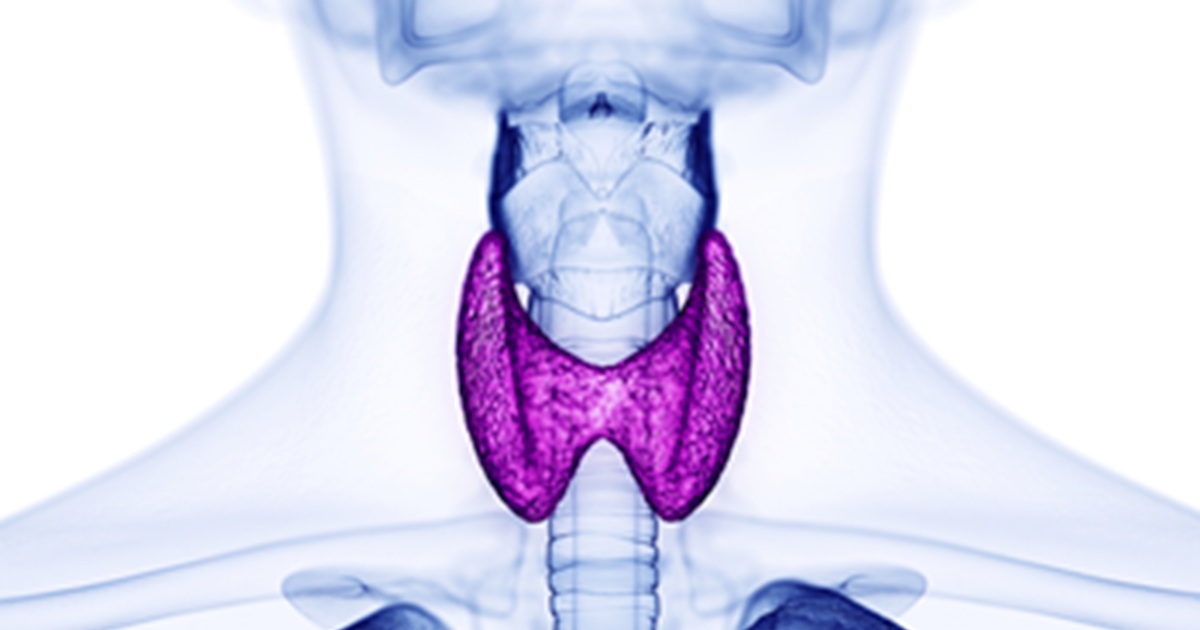
One-quarter of adults aged 60 and older successfully discontinued thyroid replacement therapy in a prospective cohort study
The issue: Levothyroxine is often continued for life, but many older adults may be taking it without a permanent indication.
Why this matters: In a prospective study of 370 adults aged 60 and older, 25.7% discontinued levothyroxine while maintaining acceptable thyroid function at 1 year.
Primary care relevance: Supports supervised dose reduction in selected patients, particularly those on lower baseline doses.
April 2026

Once-weekly Awiqli (insulin icodec-abae) is expected in pharmacies in the second half of 2026
The issue: The FDA recently approved the first once-weekly insulin for type 2 diabetes
Why this matters: Once-weekly insulin may appeal to patients who do not like daily injections
Primary care relevance: Providers need to be aware of Awiqli's effects and dosing
February 2026

Randomized trial finds 15% dose increase when taking levothyroxine with breakfast maintains TSH stability
The issue: Food reduces the absorption of levothyroxine (LT4); therefore, dosing guidelines recommend taking it on an empty stomach, typically 30 to 60 minutes before breakfast. Many patients find this inconvenient.
Why this study matters: It randomized 88 adults with hypothyroidism to fasting LT4 intake or LT4 intake with breakfast with a 15% dose increase. The primary outcome, TSH stability, did not differ significantly between groups.
Primary care relevance: For patients who prefer taking LT4 with food, this study provides guidance on dose adjustment.
September 2025
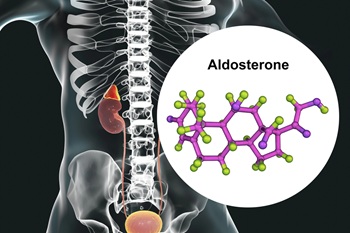
The guidelines are thorough, but are they practical?
The issue: Primary aldosteronism is an underdiagnosed cause of hypertension; screening and confirmatory testing vary in practice.
Primary care relevance: Updated guidance helps identify patients with resistant or hypokalemic hypertension who may benefit from screening and targeted treatment.
April 2025

The SOUL Study is a larger and longer version of a previous Rybelsus trial
The issue: Wegovy has been shown to reduce cardiovascular events in type 2 diabetes; the effects of Rybelsus are unknown.
Why this study matters: The SOUL study evaluated the long-term benefit of Rybelsus in adults with type 2 diabetes and established or high cardiovascular risk.
Primary care relevance: Provides evidence on the benefits of Rybelsus for preventing cardiovascular events in patients with type 2 diabetes and established or high cardiovascular risk.
February 2025

Study demonstrates effectiveness in reducing fracture risk in postmenopausal women aged 50–60
The issue: Early postmenopausal women at risk for osteoporosis need evidence on when and how to use bisphosphonates.
Why this study matters: This study demonstrated that zoledronate effectively reduced fracture risk in postmenopausal women aged 50 to 60.
Primary care relevance: Provides evidence on the benefits of zoledronate for fracture prevention in early postmenopausal women at risk.
December 2024

BPROAD found intensive BP control reduced CVD in type 2 diabetes, contradicting ACCORD
The issue: Optimal blood pressure targets in type 2 diabetes have been debated; ACCORD suggested no benefit from intensive control, but newer evidence was needed.
Why this study matters: The BPROAD study found that intensive BP control (systolic <120 mmHg) significantly reduced cardiovascular disease in type 2 diabetes, contradicting the older ACCORD trial.
Primary care relevance: Updated evidence supports consideration of intensive BP targets in some patients with type 2 diabetes; guidelines may evolve.
December 2024

Cross-sectional study finds secondary hypertension prevalent in 30% of hypertensive adults aged 18–40
The issue: Secondary hypertension is often underdiagnosed; prevalence in young adults was unclear.
Why this study matters: A cross-sectional study found secondary hypertension in about 30% of hypertensive adults aged 18 to 40, highlighting the importance of screening in younger patients.
Primary care relevance: Young adults with hypertension may warrant a higher index of suspicion for secondary causes and appropriate workup.

